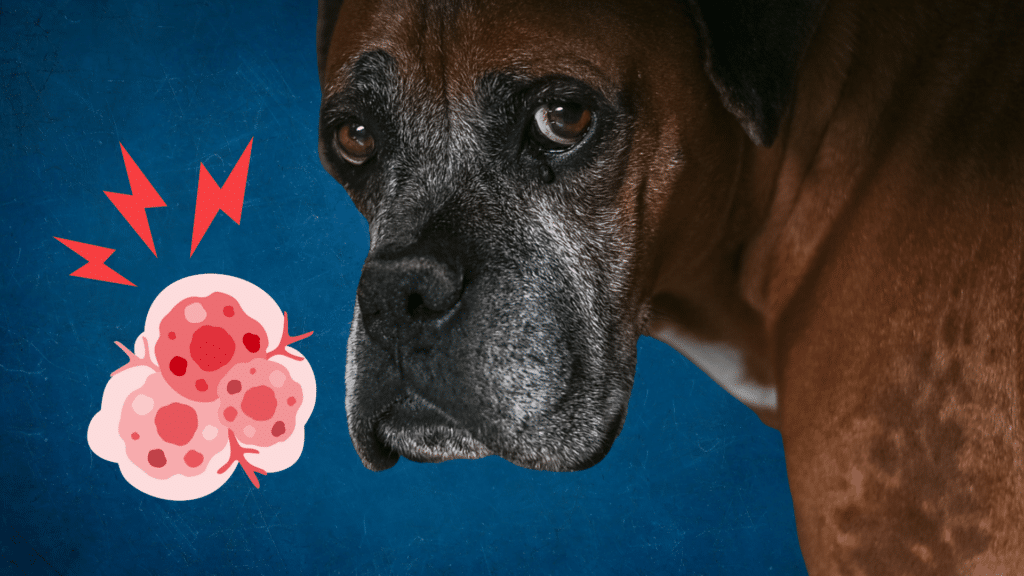
Discovering a lump on your dog can be alarming, especially when you don’t know how long it has been there or what caused it. Your first concern may be cancer, but the good news is that not every lump is dangerous. While cancer in dogs is a serious health concern, many growths turn out to be harmless.
Dogs can develop lumps for several reasons, including fatty deposits, cysts, inflammation, and tumors. Unfortunately, it’s not always possible to distinguish between benign and cancerous growths based on appearance alone.
Animal Hospital of Fort Lauderdale provides comprehensive veterinary care for dogs, including cancer screenings.
Does Finding a Lump Mean My Dog Has Cancer?
Not necessarily. Some lumps are benign growths that may never cause significant health problems. Others can be malignant, meaning they have the potential to invade surrounding tissue or spread throughout the body.
Cancer in dogs becomes more likely with age, although younger dogs can also develop the disease. Certain breeds, including Golden Retrievers, Boxers, and German Shepherds, have increased risks for particular types of cancer.
According to the American Veterinary Medical Association, approximately one in four dogs develops cancer during their lifetime. This makes monitoring your dog’s health and investigating unusual changes especially valuable.
What Are the Warning Signs of Cancer in Dogs?
A new lump is one possible indication of cancer in dogs, but other physical and behavioral changes can also signal a problem.
Signs worth discussing with your veterinarian include:
- New or growing lumps beneath the skin
- Unexplained weight loss
- Sores that don’t heal
- Unusual bleeding or discharge
- Decreased appetite or energy
- Persistent coughing or breathing changes
- Limping or unexplained swelling
- Difficulty eating or swallowing
These symptoms can develop for reasons unrelated to cancer. However, they should never be dismissed simply because your dog otherwise seems healthy.
If you notice persistent symptoms or a growth that changes rapidly, arranging a veterinary examination is the appropriate next step. Severe breathing difficulties or uncontrolled bleeding require emergency care.
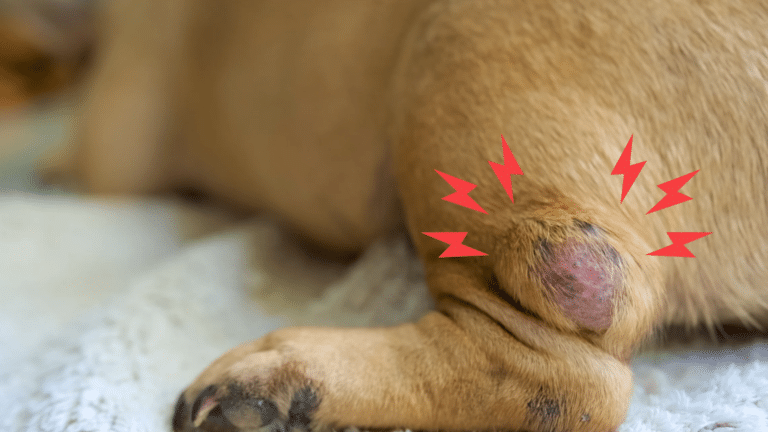
What Should I Do If I Discover a Lump on My Dog?
Start by taking note of where the lump is located, approximately how large it is, and whether it appears painful. Avoid squeezing or attempting to drain it.
Your veterinarian will examine the growth and may recommend collecting cells with a small needle or obtaining a tissue sample for further analysis. Additional diagnostic testing may be necessary depending on the findings.
Animal Hospital of Fort Lauderdale offers advanced screening for cancer in dogs using the Nu.Q® Vet Cancer Test. This blood test measures circulating nucleosomes, which are released as cells die. Elevated levels can be associated with certain cancers, particularly lymphoma and hemangiosarcoma.
The Nu.Q® test does not diagnose every type of cancer and cannot determine whether a particular lump is malignant. Instead, it provides additional screening information that your veterinarian may use alongside a physical examination and other diagnostic procedures. An abnormal result may require further testing, while a normal result does not rule out cancer.
How Can I Check My Dog for Unusual Growths?
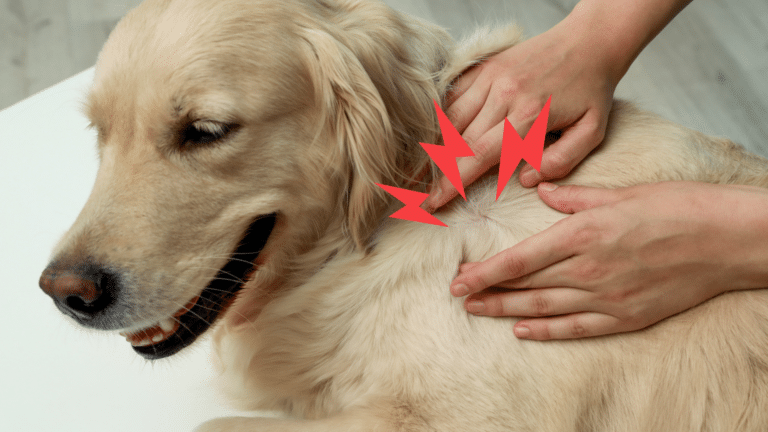
Making a habit of examining your dog’s body can make new lumps easier to recognize. This becomes increasingly valuable as dogs age.
While petting or brushing your dog, gently feel along their neck, chest, abdomen, back, and legs. Check beneath the armpits, around the ears, and between the toes, where growths may be less noticeable.
When your dog is comfortable, you can also look inside their mouth for unusual swelling or changes. If you find something suspicious, take a photograph and record its approximate size and location.
Routine veterinary wellness exams provide another opportunity to identify concerns early. Your veterinarian at Animal Hospital of Fort Lauderdale can discuss whether additional screening is appropriate based on your dog’s age, breed, and other individual risk factors.
Can Dogs Develop Cancer Without Visible Lumps?
Yes. Some types of cancer in dogs develop internally and never produce an obvious lump.
Changes in appetite, persistent digestive problems, unexplained fatigue, and weight loss can sometimes indicate underlying disease. These symptoms may have many causes, but ongoing changes deserve medical attention.
Veterinary examinations and appropriate diagnostic testing can uncover health problems that aren’t visible from the outside.
Testing for Cancer in Dogs in Fort Lauderdale, FL
Finding a lump on your dog doesn’t mean you need to assume the worst. What matters is having it evaluated so you can make informed decisions about your pet’s health. Animal Hospital of Fort Lauderdale proudly serves dogs and cats from Fort Lauderdale, Oakland Park, and Wilton Manors. Schedule an appointment with Animal Hospital of Fort Lauderdale to discuss your dog’s symptoms and learn about diagnostic options.